
Introduction
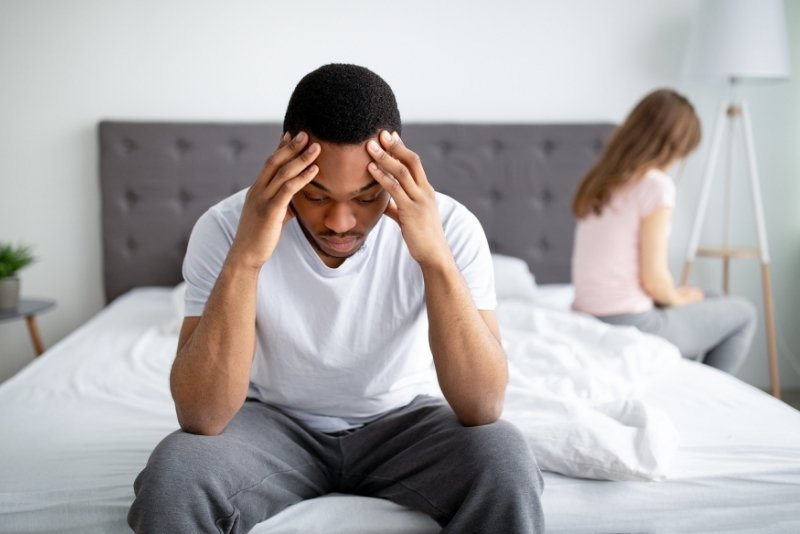
There’s a conversation that millions of people have in the privacy of their own minds but rarely speak out loud—not even to their partners, and certainly not to their doctors.
“I just don’t feel like it anymore.”
Maybe it’s been weeks. Maybe months. Or maybe you can’t remember the last time you genuinely wanted intimacy, not just went through the motions.
And here’s what makes it worse: everyone around you acts like sex and desire should be effortless and constant. Social media, movies, even casual conversations with friends—they all paint a picture of people with insatiable desire. Meanwhile, you’re left wondering what’s wrong with you.
Here’s what nobody tells you: Low libido is incredibly common, affecting up to 1 in 5 men and even more women at some point in their lives. And it’s not just in your head.
Your body is trying to tell you something important.
The Truth About Low Libido That Most People Miss
When you Google low libido, you’ll find endless articles telling you to “reduce stress,” “communicate better,” or “try something new in the bedroom.”
All of that can help. But here’s what’s frustrating: those suggestions treat low libido like it’s just a matter of effort or attitude. They miss the fundamental biological reality happening inside your body.
Your desire for intimacy isn’t controlled by willpower. It’s orchestrated by a complex symphony of hormones, neurotransmitters, blood flow, and energy production. When any part of this system gets disrupted, your libido doesn’t just dip—it can disappear entirely.
And the most challenging part? The very things causing your low libido often create feelings of shame or guilt, which then make the problem worse. It becomes a cycle that’s hard to break without understanding what’s really happening.
What’s Actually Happening in Your Body
Let’s talk about the biological reality behind desire. Because once you understand this, you’ll realize that low libido isn’t a personal failing—it’s your body responding to real, physical changes.
The Hormone Dance That Controls Desire
Think of your sex hormones as the fuel that powers your desire. When they’re balanced and flowing properly, desire feels natural and effortless. When they’re depleted or disrupted, everything changes.
Testosterone isn’t just for men. This hormone regulates libido in both men and women. In fact, women produce three times more testosterone than estrogen before menopause. Testosterone production can decline due to aging, chronic stress, certain medications, and lifestyle factors.
When testosterone levels drop, you don’t just lose interest in sex—you often experience decreased energy, reduced confidence, and a general sense of flatness. It’s not just about physical desire; it’s about the mental drive and motivation that makes you want to pursue pleasure.
Estrogen and Progesterone (in women) work together to regulate arousal and create the physical conditions for comfortable intimacy. When estrogen drops—particularly during menopause or due to certain birth control methods—it can lead to vaginal dryness and discomfort, creating a cycle where intimacy becomes associated with pain rather than pleasure.
But here’s what most people don’t realize: these sex hormones don’t operate in isolation. They’re part of a larger hormonal ecosystem that includes your stress hormones.
When Stress Hormones Kill Desire
Your body has a built-in survival system designed to help you escape danger. When you’re stressed—whether from work deadlines, financial worries, relationship tension, or just the constant pressure of modern life—your body releases cortisol.
From your body’s perspective, stress is stress. It doesn’t distinguish between a work deadline and a physical threat. When cortisol rises, your body essentially decides that survival is more important than reproduction.
Research shows that elevated cortisol directly suppresses sex hormones, leading to decreased desire and arousal. Chronic stress can lower testosterone levels in both men and women, disrupt estrogen balance, and alter the neurotransmitters involved in pleasure and motivation.
Think about it: when you’re constantly in fight-or-flight mode, your body’s energy and resources are redirected away from sexual function and toward immediate survival. It’s not that you’re choosing not to feel desire—your biochemistry is actively suppressing it.
Studies confirm that stress and burnout are associated with lower sex drive, erectile dysfunction, and decreased sexual satisfaction in both men and women. High cortisol levels also contribute to fatigue, weight gain, and sleep problems—all of which further diminish libido.
The Energy Connection Nobody Talks About
Here’s something that often gets overlooked: sexual desire requires energy. Not just “I had enough sleep” energy, but actual cellular energy production.
When you’re exhausted—whether from poor sleep, demanding work, chronic stress, or nutritional deficiencies—your body simply doesn’t have the resources to generate desire. Your mitochondria (the energy powerhouses in your cells) are too busy keeping essential functions running to support the energy demands of arousal and sexual activity.
This is why people often notice their libido drops when they’re physically depleted, even if everything else in their relationship is fine.
The Mind-Body Connection
While low libido has clear physical causes, the psychological impact can’t be ignored—not because it’s “all in your head,” but because your mind and body are deeply interconnected.
When you experience low desire, it often triggers anxiety about sexual performance or feelings of inadequacy. These emotional responses then activate your stress response (more cortisol), which further suppresses the hormones needed for desire. It becomes a vicious cycle.
Additionally, depression and anxiety—which are often rooted in neurochemical imbalances—can directly impact libido. Neurotransmitters like serotonin and dopamine play important roles in sexual motivation and pleasure. When these are out of balance, desire can diminish regardless of how you feel about your partner.
The Hidden Factors Draining Your Desire
Beyond the obvious culprits, several less-discussed factors can significantly impact libido:
Medications You’re Already Taking
Many common medications list decreased libido as a side effect, yet doctors rarely mention this when prescribing them:
- Antidepressants (particularly SSRIs)
- Birth control pills and hormonal contraceptives
- Blood pressure medications
- Certain cholesterol-lowering drugs
If you’ve noticed your desire disappeared after starting a new medication, it’s worth discussing alternatives with your healthcare provider.
Sleep Deprivation’s Invisible Impact
Just one night of poor sleep can impair insulin sensitivity by up to 25%, disrupting hormone production. Chronic sleep deprivation lowers testosterone, increases cortisol, and depletes the energy needed for sexual function.
If you’re consistently sleeping less than seven hours or experiencing poor sleep quality, this alone could be significantly impacting your libido.
Nutritional Gaps You Might Not Know About
Your body needs specific nutrients to produce sex hormones and support desire:
- Zinc is essential for testosterone production and is depleted rapidly during stress
- Vitamin D acts more like a hormone than a vitamin and is crucial for testosterone synthesis
- B vitamins are needed for energy production and neurotransmitter synthesis
- Magnesium supports hundreds of biochemical reactions, including hormone regulation and stress management
Many people are unknowingly deficient in these crucial nutrients, particularly in urban environments with high stress and limited sun exposure.
Relationship Dynamics and Emotional Intimacy
While there are clear biological causes for low libido, relationship factors can’t be ignored. Unresolved conflicts, lack of emotional connection, trust issues, or feeling undervalued can all dampen desire.
For many people—particularly women—emotional intimacy is a prerequisite for physical intimacy. When that emotional connection is strained, physical desire often follows.
The Natural Path to Reclaiming Your Desire
Here’s the good news: once you understand what’s causing your low libido, you can take specific, strategic action to address it. This isn’t about forcing desire or “just relaxing more.” It’s about supporting the biological systems that naturally generate desire.
Rebalance Your Stress Response
You can’t eliminate stress from your life, but you can change how your body responds to it:
Daily stress management practices like deep breathing exercises, meditation, or even brief walks can lower cortisol levels and create space for desire to return.
Setting boundaries around work, technology, and obligations isn’t selfish—it’s necessary for your hormonal health.
Prioritizing sleep is non-negotiable. Aim for seven to eight hours of quality sleep in a dark, cool room. Your sex hormones are produced and regulated during sleep.
Nourish Your Hormone Production
Your diet directly impacts hormone production and balance:
Prioritize protein and healthy fats at every meal. Your body needs these to create sex hormones. Include foods like eggs, fatty fish, nuts, seeds, and avocados.
Eat zinc-rich foods like oysters, red meat, pumpkin seeds, and legumes. Zinc is crucial for testosterone production in both men and women.
Don’t skip meals. Going too long without eating stresses your body and disrupts hormone balance. Eat balanced meals every 3-4 hours.
Limit alcohol and caffeine, especially in the evening. Both can disrupt sleep quality and hormone production.
So you reach for your third cup of coffee. Or maybe that packet of biscuits someone left in the break room. You get a quick boost, but an hour later, you’re right back where you started—maybe even more tired than before.
Sound familiar?
Here’s what most people don’t realize: That afternoon energy crash isn’t just a normal part of your day. It’s your body sending you a very clear message that something’s out of balance.
The Real Story Behind Your Energy Crash
Let’s talk about what’s actually happening inside your body during that 3 PM slump. Because it’s not about being lazy, and it’s not just about needing more sleep (though that can be part of it).
Your energy levels throughout the day are controlled by a delicate dance between two key players: blood sugar and cortisol.
Think of blood sugar as the fuel in your car’s tank. When it’s at the right level, you cruise smoothly through your day. When it spikes too high or crashes too low, everything goes haywire.
Cortisol is like the manager of your energy systems. This stress hormone naturally follows a rhythm throughout the day—it peaks in the morning to help you wake up, then gradually decreases through the afternoon and evening.
When this system works properly, you should maintain relatively steady energy from morning until bedtime. But here’s where things get messy in modern life.
The Blood Sugar Rollercoaster You Didn’t Know You Were On
Let’s rewind to your morning. Maybe you grabbed a quick breakfast—toast with jam, a muffin, or perhaps just coffee with some sugar.
Within 30 minutes, your blood sugar shoots up rapidly. Your pancreas responds by releasing insulin to bring those sugar levels back down. But here’s the problem: after eating refined carbohydrates and sugars, your body often overcompensates, releasing too much insulin.
Research shows that this excessive insulin response causes blood sugar to plummet below your baseline within one to two hours. This dramatic drop triggers fatigue, irritability, brain fog, and intense cravings for more carbohydrates—setting you up for another spike-and-crash cycle.
By the time 3 PM rolls around, you’ve likely been through several of these cycles. Your body is exhausted from the constant ups and downs. Studies show that even seemingly healthy foods contain significant amounts of added sugar, with the average adult consuming approximately 17 teaspoons daily—well above the recommended 6 teaspoons.
That “healthy” granola bar? The fruit yogurt? Even some salad dressings? They’re all potentially contributing to your afternoon crash.
When Stress Hijacks Your Energy
Now, let’s add stress into the equation—and let’s be honest, who isn’t stressed these days?
When you’re stressed, your body releases cortisol to give you quick energy by raising blood glucose levels. This made perfect sense when humans faced actual physical dangers. But in today’s world, we face constant psychological stress—tight deadlines, difficult conversations, financial worries, family obligations.
Chronic stress means chronically elevated cortisol, which can lead to insulin resistance over time. Your cells become less responsive to insulin, making it harder to maintain stable blood sugar.
Here’s where it gets particularly challenging: cortisol levels naturally dip drastically in the afternoon. So just when you need energy to power through the second half of your workday, your natural cortisol support is at its lowest—and if you’ve been riding the blood sugar rollercoaster all morning, you’re set up for a perfect storm of fatigue.
Research shows that work-related stress is associated with a 45% increased risk of developing type 2 diabetes, partly through these blood sugar disruption mechanisms.
The Hidden Energy Drainers You’re Probably Ignoring
Your Breakfast Is Setting You Up to Fail
Starting your day with primarily carbohydrates—whether it’s cereal, toast, pastries, or even seemingly healthy options like fruit juice—puts you on the blood sugar rollercoaster from the moment you wake up.
Your body needs protein and healthy fats in the morning to provide sustained energy. Starting your day with protein rather than carbohydrates alone can reduce post-meal blood sugar spikes by up to 30%.
You’re Not Eating Often Enough (Or You’re Eating Too Often)
Going too long without eating causes your blood sugar to drop too low, triggering stress hormone release. When you finally eat—especially if you choose carb-heavy options—your blood sugar rises more dramatically than it would after regular, balanced meals.
On the flip side, constantly snacking on refined carbs and sugars keeps you trapped in that spike-and-crash cycle all day long.
Dehydration Is Quietly Stealing Your Energy
Even mild dehydration can cause a significant drop in energy levels. Dehydration puts stress on the body, causing cortisol levels to rise and contributing to fatigue.
Your body needs adequate water to perform its essential functions efficiently. Without it, both your physical and mental performance decline dramatically.
Your Sleep (or Lack of It) Is Sabotaging Tomorrow’s Energy Today
Here’s a sobering fact: just one night of inadequate sleep can impair insulin sensitivity by up to 25%. Sleep deprivation alters hunger hormones, promoting higher carbohydrate consumption, and increases morning cortisol levels, leading to higher waking blood sugar.
Poor sleep doesn’t just make you tired—it fundamentally disrupts your body’s ability to manage energy throughout the day.
What Your Body Actually Needs for Steady Energy
The good news? Once you understand what’s causing your afternoon crash, you can take strategic action to prevent it. This isn’t about willpower or just “pushing through.” It’s about working with your body’s natural systems, not against them.
Redesign Your Breakfast
Aim for 20-30 grams of protein at breakfast to stabilize blood sugar and provide lasting energy. Think eggs with avocado, Greek yogurt with nuts and berries, or a protein smoothie with healthy fats.
Protein takes longer to digest than carbohydrates, providing a steady release of amino acids and energy throughout the morning. When you start your day with adequate protein, you’re less likely to experience the mid-morning crash that sets you up for the afternoon slump.
Master the Art of Balanced Meals
Every meal should include three components: protein, healthy fats, and fiber-rich carbohydrates (preferably from vegetables and whole foods).
This combination slows carbohydrate absorption, preventing sharp blood sugar spikes. Instead of your blood sugar shooting up and crashing down, it rises gradually and stays relatively stable—exactly what your body needs for consistent energy.
Move Your Body After Meals
Here’s a simple but powerful strategy: a short 10-15 minute walk after eating can reduce post-meal blood sugar spikes by up to 22%.
When your muscles contract during activity, they use glucose without requiring additional insulin. This helps prevent the afternoon energy crash before it even starts. You don’t need an intense workout—just a brief walk around your office or neighborhood makes a significant difference.
Hydrate Strategically Throughout the Day
Drink 8-10 cups of water daily, adjusting for activity level and climate. Don’t wait until you’re thirsty—by that point, you’re already dehydrated.
Consider adding electrolytes (without added sugars) to one glass of water daily, especially if you feel weak or dizzy. Proper hydration supports every cellular function, including energy production.
Reconnect With Your Partner
Open, honest communication about desire (or lack of it) can alleviate the anxiety and shame that often accompany low libido.
Set aside time for non-sexual physical intimacy—cuddling, massage, holding hands. This can help rebuild the emotional and physical connection without the pressure of performance.
Remember: intimacy doesn’t always have to lead to sex. Sometimes, just reconnecting physically and emotionally can begin to reawaken desire over time.

Move Your Body (But Not Too Much)
Regular physical activity improves blood flow, reduces stress, boosts mood, and can increase testosterone levels. Studies show that exercise contributes to healthy sex drive by supporting hormonal balance.However, excessive exercise—particularly intense cardio or training while underfed—can actually lower testosterone and increase cortisol. Find the balance that works for your body.
When You Need Additional Support: The Role of Natural Supplements
Sometimes, despite making lifestyle changes, your body needs additional support to restore healthy hormone levels and desire. This is particularly true if you’ve been dealing with chronic stress, sleep deprivation, or nutritional deficiencies for an extended period.
Natural supplements can help by:
Supporting healthy testosterone production through ingredients like Tribulus terrestris, which research shows can improve libido in both men and women. Studies indicate that supplementation with Tribulus increases sexual satisfaction and desire.
Balancing stress hormones with adaptogenic herbs like Ashwagandha. Known as Indian Ginseng, Ashwagandha helps regulate the stress response, supports testosterone levels, and has been shown to enhance sexual function and reduce anxiety.
Improving blood flow and arousal through ingredients like Ginkgo Biloba, which supports healthy circulation to sexual organs by promoting blood vessel dilation. Research suggests Ginkgo can be particularly helpful for addressing sexual dysfunction related to antidepressant use.
Supporting energy production with nutrients like B vitamins, CoQ10, and L-carnitine, which help your cells generate the energy needed for desire and sexual activity.
Enhancing mood and pleasure through ingredients like Saffron, which has been shown in studies to improve both erectile function and overall sexual satisfaction.
The key is choosing formulations that address multiple aspects of sexual wellness—not just one isolated factor. Your libido depends on the interplay of hormones, circulation, energy, and mood, so comprehensive support tends to be most effective.
HealthShield Sexual Wellness products are formulated with research-backed ingredients that work synergistically to support your body’s natural desire and sexual function—addressing hormones, circulation, energy, and stress response in one comprehensive approach.
For men specifically, look for formulations that support testosterone production, enhance circulation, and boost energy. For women, seek products that balance hormones, support arousal, and promote overall vitality.
Natural supplements work best when combined with the lifestyle strategies mentioned above. They’re not a magic pill, but rather a strategic tool to help your body restore the biological conditions for healthy desire.
The Timeline: What to Expect
Reclaiming your libido isn’t an overnight process, but you can expect to see gradual improvements:
Within 1-2 weeks: Better sleep quality and reduced stress response can begin to shift your hormonal environment. You may notice improved mood and energy first.
Within 3-4 weeks: As hormone levels begin to stabilize and cortisol decreases, you may start noticing subtle shifts in desire—perhaps more frequent thoughts about intimacy or increased physical responsiveness.
Within 2-3 months: With consistent support, most people experience significant improvements in libido, energy, and sexual satisfaction. Hormone production has had time to rebalance, and the positive cycle of desire reinforces itself.
Be patient with yourself. Your libido didn’t disappear overnight, and it won’t fully return overnight either. But with the right understanding and support, it absolutely can return.
When to Seek Professional Help
While natural approaches can be highly effective, certain situations warrant medical evaluation:
- Sudden, dramatic loss of libido with no obvious cause
- Complete absence of sexual thoughts or desire for an extended period
- Painful intercourse or physical symptoms during sexual activity
- Low libido accompanied by other symptoms (unexplained weight changes, severe fatigue, depression)
- Relationship distress that you can’t resolve on your own
A healthcare provider can check for underlying conditions like thyroid disorders, hormonal imbalances, or other medical issues that may be affecting your libido.
The Bottom Line: Your Desire Deserves Attention
Low libido isn’t something to be ashamed of, and it’s not something you should just accept as your new normal. It’s your body’s way of signaling that something—your hormones, your stress levels, your sleep, your nutrition, or some combination of these—needs attention.
The good news is that desire is not lost. It’s waiting for the right conditions to return. When you address the underlying biological factors and give your body what it needs to produce healthy hormone levels, generate cellular energy, and manage stress effectively, desire can absolutely come back.
More importantly, when you understand what’s really happening in your body, you can stop blaming yourself. You can stop feeling broken or inadequate. You can start taking specific, strategic action to support your sexual wellness.
Because intimacy matters. Connection matters. And your desire—your whole, vibrant, sensual self—matters.
It’s time to reclaim it.
FAQs: Common Questions About Low Libido
Q: Is low libido more common in men or women? A: Low libido affects both genders significantly, though studies suggest it may be slightly more common in women. Research indicates that up to 1 in 5 men experience low sex drive at some point, while even higher percentages of women report decreased desire, particularly during hormonal transitions like pregnancy, postpartum, and menopause.
Q: Can stress alone cause low libido? A: Yes, absolutely. Chronic stress elevates cortisol, which directly suppresses sex hormones like testosterone and estrogen. When cortisol remains elevated, your body essentially prioritizes survival over reproduction, leading to decreased desire. Stress also contributes to fatigue, poor sleep, and anxiety—all of which further diminish libido.
Q: How long does it take for natural supplements to improve libido? A: Most people begin noticing improvements within 2-4 weeks of consistent use, with more significant changes appearing at the 6-8 week mark as hormone levels stabilize. However, results vary based on individual factors like the severity of hormone imbalance, stress levels, and overall health.
Q: Are natural libido supplements safe to take with other medications? A: Many natural supplements are generally safe, but some can interact with medications, particularly blood thinners, blood pressure medications, and antidepressants. Always consult with a healthcare provider before starting any new supplement, especially if you’re taking prescription medications.
Q: Can exercise increase libido? A: Yes, regular moderate exercise can boost libido by improving blood flow, reducing stress, elevating mood, and supporting healthy testosterone levels. However, excessive intense exercise without adequate recovery can actually lower testosterone and increase cortisol, potentially decreasing libido. Balance is key.
Q: Will my libido come back after menopause? A: Yes, many women maintain or even rediscover their libido after menopause, though it may require hormonal support. While estrogen decreases during menopause, addressing testosterone levels, managing stress, supporting vaginal health, and using natural supplements can significantly improve post-menopausal sexual desire and function.
Q: How do I talk to my partner about low libido? A: Choose a calm, private moment outside the bedroom. Focus on “I” statements rather than blame: “I’ve been noticing my desire has decreased, and I think it’s related to stress/hormones/fatigue.” Emphasize that this isn’t about your attraction to them, but about physiological changes you’re working to address. Many partners feel relieved to understand what’s happening rather than taking it personally.
Q: Is low libido a sign of not loving my partner anymore? A: No. Low libido is typically a physiological issue related to hormones, stress, energy, or health—not a reflection of your feelings for your partner. Many people in deeply loving, connected relationships experience low libido due to biological factors. That said, if relationship issues exist, addressing those alongside the physical factors will be most effective.



OMG I LOVE IT!!!
There was a small mistake in the order. In return, I got the correct order and I could keep the wrong one for myself. I ordered on Friday evening and on Monday at 12:30 the package was with me. I have never encountered such a fast order processing.
Very nice product
Everything is perfect. I would recommend!